
Your cart is empty.
Reactivity in Dogs - What It Is, Causes, & What to Do
Reactivity - What it is and What it isn't -
•Reactivity is NOT aggression
•Reactivity is most commonly confused with aggression
•Reactivity in dogs is when a dog overreacts to certain situations or stimuli
•Reactivity can spill over into aggression but it is important to know they are two different things.
What Causes Reactivity -
•Genetics
•Scary/bad experience
•Fight vs Flight
•Lack of Flight option
•Without an escape option dogs are only left with Fight
•Lack of socialization
•Lack of training
Early Body Language Signs of Reactivity -
•Yawning
•Lip Licking
•Stiffness
•Panting
•Inability to settle or relax
•Hackles raised*
*Hackles raised doesn’t always mean reactivity - can just mean overarousal
Further Body Language Signs of Reactivity -
•Ears pinned back
•Whale eye
•Tense body, leaning forward, stiff tail
•Eye Contact that doesn’t break or is hard to break
•Growling
•Lip snarls
**Some of these signs can be misinterpreted as aggression
What to do when your dog reacts -
•BREATHE
•Reactivity happens
•Regression happens
•Dogs bark
•Create distance between you and the trigger
•Think of a stop light
•Red – stop, too close
•Yellow – slow down, move away
•Green – means go, this is where you want to work
Questions? Want to talk about this a little more? Send me a message!
Reactivity in Dogs - What It Is, Causes, & What to Do
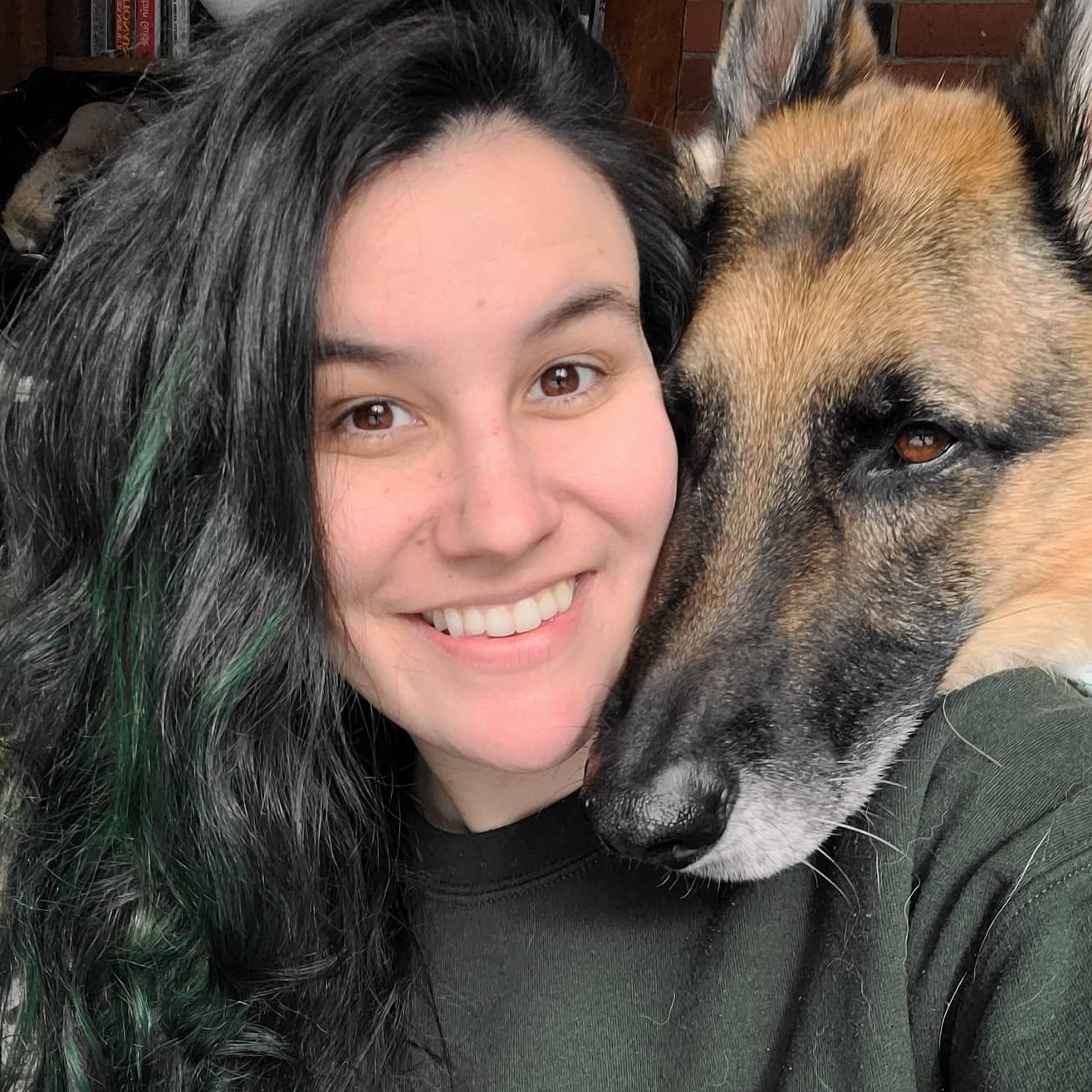
Karen Chapdelaine of TheTimelessDog
Training Advocate
Dogly loves Karen because she helps us live life with our dogs in a way that's rewarding, calm, and happy - and does it with empathy.
Karen guides you
Aggression - Basic Manners - Marker Training - Enrichment - Leash Manners - Reactivity
Karen is certified
Certified Professional Dog Trainer Knowledge Assessed (CPDT-KA) - Fear Free Certified - DN-CET (DogNostic - Canine Enrichment Technician)